New build or established home: which is right for you?
New builds get you a fresh property and warranty cover. Established homes get you proven location and faster move-in. The right choice depends less on which is 'better' and more on what trade-off suits you.
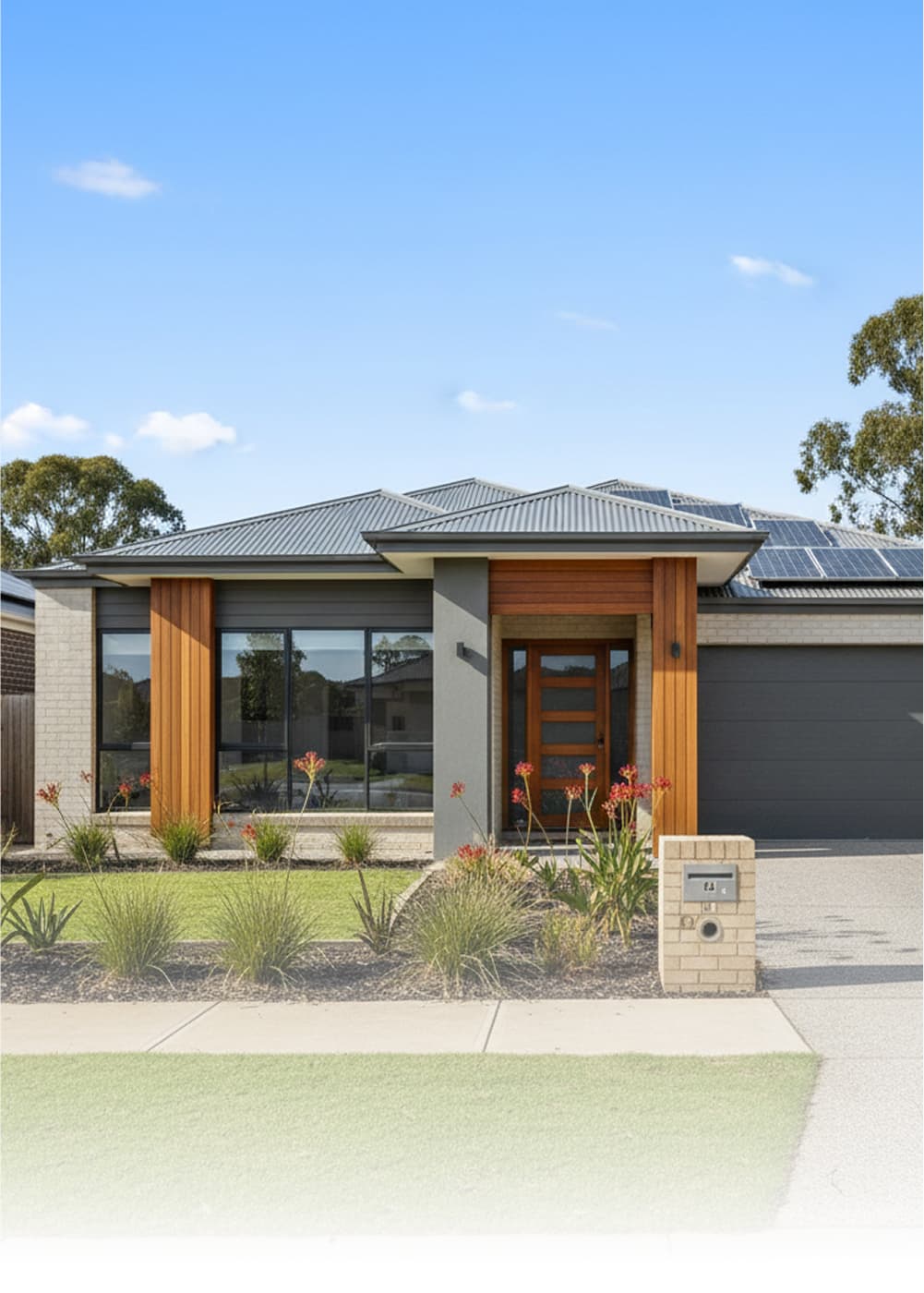
Buying a home is one of the largest decisions you'll make, and the choice between a brand-new build and an established property frames everything else. Both can be excellent buys. The decision tends to come down to time, control, and what you value most.
What new builds give you
- Energy efficiency. New homes built to current standards cost meaningfully less to run — better insulation, double-glazing, solar-ready wiring, more efficient appliances.
- Builder warranties. Structural warranties of six to seven years across most states, plus shorter warranties on fittings and finishes. Fewer surprise maintenance costs in the first decade.
- Customisation upside. Off-the-plan or house-and-land lets you choose layouts, finishes and inclusions. The result reflects your taste, not the previous owner's.
- Stamp duty concessions. Many states offer concessions on new builds for first-home buyers — sometimes more generous than for established properties.
- Lower upfront maintenance. No old hot water systems about to fail, no roof at the end of its life.
The trade-offs:
- Time. Off-the-plan and house-and-land builds can take 12–24 months from contract to handover.
- Location. New builds are often in growth corridors further from established infrastructure.
- Build risk. Builder solvency, construction delays, variation costs. Mitigate with a reputable builder and a fixed-price contract.
What established homes give you
- Location, locked in. Established suburbs come with mature trees, established schools, walkable amenities and predictable infrastructure.
- Move-in speed. Settle in 6–8 weeks; live there 6–9 weeks after contract.
- Proven performance. You can see how the property has held up over time, what the neighbours are like, how the street performs.
- Renovation upside. Cosmetic updates or structural extensions can add value at your pace.
The trade-offs:
- Maintenance bill. Older homes carry an ongoing reserve requirement — roof, plumbing, electrical, climate systems all have finite lives.
- Running costs. Higher energy bills than equivalent new builds.
- Hidden issues. A solid building and pest inspection is non-negotiable.
The financial difference
New build purchases typically structure as either off-the-plan (deposit at exchange, progress payments to builder, settle on completion) or house-and-land (separate land contract, construction loan drawn down in stages). The lending and stamp duty treatment differs significantly from a standard established purchase. Talk through the structure before you sign anything.
How to decide
- Want certainty of location and fast move-in? Established.
- Have time and want a property tailored to you, in a growth area? New build.
- Prioritising running costs and low first-decade maintenance? New build.
- Want established schools, walkability, mature streetscapes? Established.
There's no universally better option — only the right fit for your timeline and priorities.
Ready to run your own numbers?
Same broker, same plain-English approach. Fifteen minutes is usually enough to know if a move is worth making.